The need for non ferrous welding.
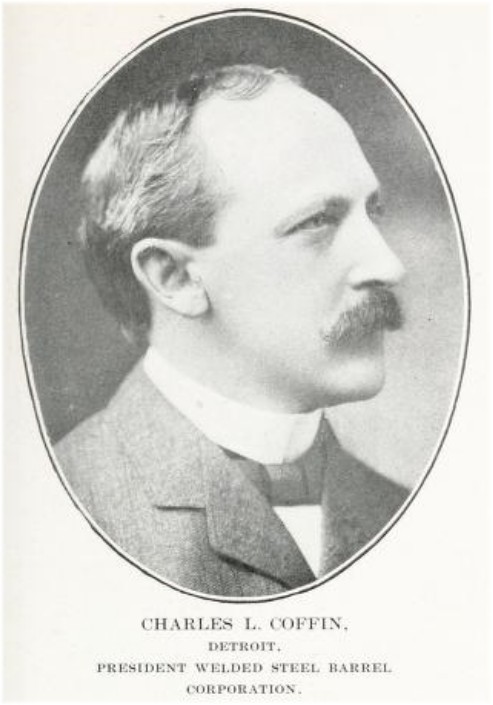
The beginnings of welding as we know it today are quite simple, dating back to the very early 1800s. From the discovery of the Pulsed Electric Arc in 1801 by Humphrey Davy, and the Continuous Electric Arc by Vasily Petrov the following year, The need to weld metal in an inert atmosphere went unfulfilled until much later, around 1890 a man by the name of Charles L. Coffin had an idea of welding metal in an inert atmosphere, mainly non ferrous metals such as Magnesium and Aluminum. Due to the low technological advancements of the time, this was all but unheard of due to the highly reactive natures of the metals. Attempts to weld them together with more commonly used methods resulted in a high level of porosity and dross contaminated welds. Even with the use of flux covered electrodes, the required quality was just not attainable. But a few short decades later that had completely changed.
The Northrop Corporation.
In the early 1940’s The Northrop Corporation was an already established aircraft manufacturer, having produced the widely known P-61 night fighter aircraft for the United States during the second world war, and laying the foundations for the “Flying Wing” design of the modern day B-2 Spirit heavy bomber. Despite these successes, they still kept innovating before their merger with the Grumman Corporation in 1994, forming the Northrop Grumman Corporation.
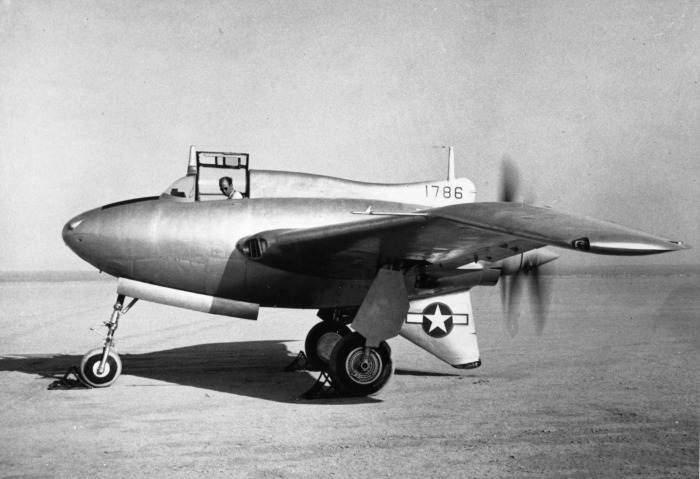
Now how does this tie in to the GTAW process? Well it all comes down to one experimental aircraft they were working on, one which had a frame largely consisting of Magnesium.
The XP-56 Black Bullet.
The Invention of Heliarc Welding.
TIG Welding, or Heliarc welding as it was known was solely invented to produce the XP-56, to weld its magnesium frame which required high accuracy and little to no weld defects. The name Heliarc is simple, Heli comes from the Inert gas that was used; Helium. Arc is simply the electric arc generated by the Tungsten electrode.
It was a team of 3 engineers who developed this process, Vladimir Pavlecka, Tom Piper and Russell Meredith, though Meredith would go on to patent the torch design shortly after its invention, Pavlecka and Pipe played key roles in Meredith’s success. Lets take a look at his initial torch design patent filed in 1941.
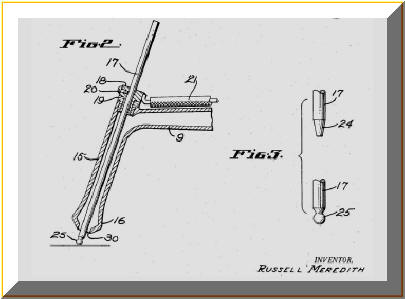
The design of this torch was very simple, consisting of the main body which was fed with the compressed helium gas (15), The Tungsten Electrode (17), and the electric current delivery system (18-21). It should be known that Meredith also patented the Balled (25) and Blunt (24) Electrode tip designs.
Merediths overall design has gone through a plethora of innovations leading us to what we use today, however its functions and methods have largely gone unchanged, just rearranged and refined. Lets take a deeper look into how the GTAW process works.
TIG stands for tungsten inert gas and is technically called gas tungsten arc welding (GTAW). The process uses a non consumable tungsten electrode that delivers the current to the welding arc. An inert gas, typically argon, protects and cools the tungsten and weld puddle.
TIG welding is similar to oxy acetylene welding in that you use a filler material for buildup or reinforcement. Welders with oxy acetylene experience may find the hand coordination familiar, but TIG welding requires significantly finer precision and control. The TIG process uses an electric torch, and the welder hand feeds filler rod into the molten puddle. The ability to finely control the head input makes TIG process different from other types of arc welding. Some people like the foot pedal to control the heat if they are working on a bench and others like fingertip remotes on the torch if they are working in awkward areas. Both allow adjustments to the heat while you are welding. Lets take a look at the components of a common TIG torch.
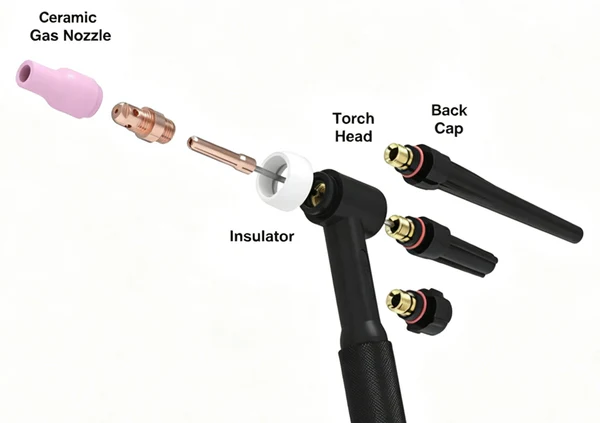
Lets start from the ceramic cup and work our way back,
The TIG torch cup, also called the TIG torch nozzle, surrounds the tungsten electrode and directs shielding gas over the weld pool.
The TIG torch collet body holds the collet and directs shielding gas toward the cup while also conducting current.
The collet grips the tungsten inside the torch. When the back cap is tightened, it compresses to hold the electrode securely.
Electrically isolates components and prevent current leakage
The TIG torch head is the main structure that holds consumables and conducts both electrical current and shielding gas.
The TIG torch back cap threads into the rear of the torch and secures the tungsten by compressing the collet.
The entire process is quite straight forward, though it does require a certain amount of hand-eye coordination to perform correctly. Here is a video that explains EXACTLY how TIG welding works.
Lets take a look at the various advantages TIG welding has to offer over other arc welding processes, and also take a look at some of the disadvantages associated with it.
| Advantages | Disadvantages |
| Non Consumable Electrode. | Even simple welds take a long time to perform. |
| Low Bulk, Highly Portable. | High level of Hand-Eye coordination required |
| High Precision, Clean Welds. | Higher than normal gas pricing |
| Ability to weld difficult to weld metals. | Intricate Tool Design |
Now that you have a brief, but rather in depth look into how, why and when TIG was invented and used, lets take a look at some of the real world applications where TIG mastery is required.